Introduction
Human Resource policies and compliance form the backbone of every well functioning organization. They define how employees are hired, managed, compensated, protected, and developed within a company. More importantly, HR policies ensure that organizations operate ethically, legally, and transparently while safeguarding employee rights and organizational interests.
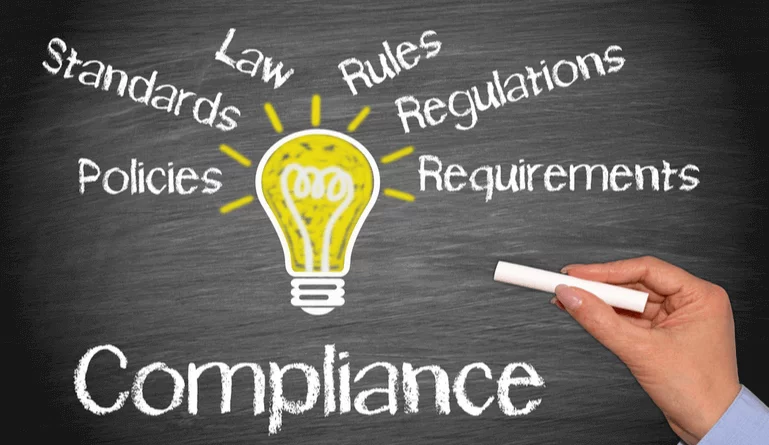
In today’s complex corporate environment, businesses must comply with labor laws, workplace safety regulations, anti discrimination policies, and employee welfare standards. Failure to implement proper HR policies can lead to legal penalties, reputational damage, employee dissatisfaction, and operational disruptions.
HR compliance is not just about following laws. It is about creating fair, inclusive, and productive workplaces where employees feel secure, valued, and motivated. From recruitment practices to workplace conduct, compensation frameworks to grievance handling, HR policies guide every stage of the employee lifecycle.
This comprehensive guide explores HR policies, legal compliance requirements, workplace rules, employee rights, organizational responsibilities, and emerging HR governance trends shaping modern workplaces.
Understanding HR Policies
HR policies are formal guidelines that define how an organization manages its workforce.
They outline rules, procedures, and expectations governing employee behavior and employer responsibilities.
Policies ensure consistency in decision making.
They promote fairness and transparency.
HR policies act as the operational framework of workforce management.
Importance of HR Compliance
Ensures adherence to labor laws and regulations.
Protects employee rights.
Prevents legal disputes and penalties.
Enhances organizational credibility.
Promotes ethical workplace culture.
Compliance is essential for sustainable business operations.
Objectives of HR Policies
Standardize workplace practices.
Define employee entitlements.
Ensure legal compliance.
Promote workplace discipline.
Support employee welfare.
Clear objectives strengthen policy effectiveness.
Recruitment & Hiring Policies
Recruitment policies define fair hiring practices.
They ensure equal opportunity employment.
They prohibit discrimination based on gender, caste, religion, or disability.
They outline job posting, screening, and selection procedures.
Transparent hiring builds employer credibility.
Employment Contracts & Documentation
Employment agreements formalize job terms.
They include role, salary, benefits, and notice period.
Confidentiality clauses protect company data.
Documentation ensures legal clarity.
Contracts safeguard both employer and employee.
Onboarding & Probation Policies
Onboarding policies structure new employee integration.
They include orientation programs and training.
Probation periods assess performance and cultural fit.
Structured onboarding improves retention.
Code of Conduct Policies
Code of conduct defines workplace behavior expectations.
It covers professionalism, ethics, and communication standards.
It prohibits harassment, bullying, and misconduct.
Behavioral guidelines maintain discipline and respect.
Attendance & Leave Policies
Attendance rules define work hours and punctuality.
Leave policies cover annual leave, sick leave, casual leave, and maternity leave.
They ensure work continuity while supporting employee well being.
Clear leave systems reduce conflicts.
Compensation & Payroll Policies
Compensation policies define salary structures.
They include bonuses, incentives, and allowances.
Payroll policies ensure timely salary disbursement.
Transparent pay practices build trust.
Performance Management Policies
Performance policies define appraisal systems.
They include KPIs, reviews, and feedback mechanisms.
They guide promotions and increments.
Structured performance systems drive productivity.
Promotion & Career Development Policies
Promotion policies define advancement criteria.
They include merit, performance, and tenure considerations.
Career development frameworks support employee growth.
Clear pathways enhance retention.
Training & Development Policies
Organizations invest in employee learning.
Training policies include technical, leadership, and compliance programs.
Upskilling improves workforce capability.
Learning policies support long term competitiveness.
Workplace Health & Safety Compliance
Safety policies ensure secure work environments.
They include fire safety, emergency response, and ergonomic standards.
Occupational health regulations protect employees.
Safety compliance is legally mandatory.
Anti Harassment & POSH Policies
Anti harassment policies prohibit workplace misconduct.
POSH (Prevention of Sexual Harassment) policies protect employees.
They define reporting mechanisms and investigation processes.
Safe workplaces enhance morale and trust.
Diversity, Equity & Inclusion Policies
DEI policies promote equal opportunities.
They encourage diverse hiring.
They prevent bias and discrimination.
Inclusive cultures drive innovation and engagement.
Data Protection & Confidentiality Policies
Data privacy policies protect sensitive information.
They regulate access to company data.
They ensure compliance with data protection laws.
Confidentiality builds organizational security.
IT & Acceptable Use Policies
These policies govern use of company devices and networks.
They regulate email, internet, and software usage.
They prevent cyber risks and data breaches.
IT compliance supports digital security.
Remote Work & Hybrid Work Policies
Modern workplaces include remote work frameworks.
Policies define work hours, communication norms, and productivity expectations.
They ensure accountability in flexible environments.
Remote policies support evolving work models.
Employee Grievance Redressal Policies
Grievance systems allow employees to raise concerns.
They ensure fair hearing and resolution.
They prevent workplace conflicts from escalating.
Transparent grievance handling builds trust.
Disciplinary Action Policies
Disciplinary policies define consequences for misconduct.
They include warnings, suspensions, or termination.
They ensure fairness through documented processes.
Discipline maintains workplace order.
Termination & Exit Policies
Exit policies define resignation, termination, and notice procedures.
They include final settlements and documentation.
Structured exits protect legal and operational interests.
Compliance With Labor Laws
Organizations must follow national labor regulations.
These include wage laws, working hour limits, and employee benefits mandates.
Non compliance can result in legal penalties.
Legal adherence is non negotiable.
Minimum Wage & Overtime Compliance
Minimum wage laws protect employee earnings.
Overtime policies ensure fair compensation for extra hours.
Compliance promotes ethical employment practices.
Employee Benefits Compliance
Statutory benefits include provident funds, gratuity, insurance, and pensions.
Employers must contribute as per regulations.
Benefits ensure employee financial security.
Equal Employment Opportunity Compliance
EEO compliance prohibits hiring discrimination.
It ensures fair access to jobs and promotions.
Equal opportunity strengthens workplace fairness.
Workplace Documentation & Record Keeping
HR must maintain employee records.
These include contracts, performance reviews, and payroll data.
Documentation ensures audit readiness and legal protection.
HR Audits & Compliance Checks
Regular HR audits ensure policy adherence.
They identify legal gaps.
They improve operational efficiency.
Audits strengthen governance frameworks.
Role of HR in Compliance Management
HR teams design and implement policies.
They train employees on compliance.
They monitor legal updates.
HR acts as compliance guardian.
Employee Awareness & Policy Training
Policies are effective only when understood.
Training sessions educate employees on rights and responsibilities.
Awareness reduces violations.
Technology in HR Compliance
HR software automates policy management.
Digital documentation improves accuracy.
Compliance tracking tools enhance governance.
Technology simplifies HR operations.
Consequences of Non Compliance
Legal penalties and lawsuits.
Financial losses.
Reputational damage.
Employee dissatisfaction.
Operational disruptions.
Compliance failures are costly.
Building a Compliance Driven Culture
Leadership must model ethical behavior.
Policies must be enforced consistently.
Transparency must be prioritized.
Culture drives compliance effectiveness.
Future Trends in HR Compliance
AI driven HR monitoring.
Remote work compliance frameworks.
Data privacy regulations strengthening.
Global workforce compliance complexity rising.
Future HR governance will be tech enabled.
Conclusion
HR policies and compliance form the structural and ethical foundation of modern organizations. They ensure that businesses operate legally, employees are treated fairly, and workplaces remain safe, inclusive, and productive. From recruitment and compensation to safety and conduct, HR policies guide every aspect of the employee experience.
In an increasingly regulated and transparent corporate world, compliance is not optional — it is a strategic necessity. Organizations that prioritize HR governance build stronger employer brands, reduce legal risks, and foster higher employee trust and engagement.
For professionals, understanding HR policies enhances workplace awareness and protects their rights. For employers, robust compliance systems ensure sustainability and operational excellence. When policies are clear, fair, and consistently enforced, they create workplaces where both businesses and employees thrive together.