Introduction
A resume and cover letter are the two most powerful tools in any job seeker’s application toolkit. They serve as your first impression, personal marketing document, and professional introduction to potential employers. Before a recruiter meets you or interviews you, they evaluate your resume and cover letter to decide whether you are worth shortlisting.
In today’s competitive job market, employers receive hundreds of applications for a single position. This makes it essential for candidates to craft resumes and cover letters that are clear, targeted, achievement driven, and visually professional.
While a resume highlights your skills, experience, and qualifications, a cover letter explains your story, motivation, and suitability for the role. Together, they form a compelling narrative that positions you as the right candidate.
This comprehensive guide explores resume writing strategies, formatting tips, cover letter techniques, customization methods, mistakes to avoid, and best practices to help you secure interviews and job offers.
Understanding the Purpose of a Resume
A resume is a concise summary of your professional background.
It highlights work experience, education, skills, and achievements.
Its goal is to secure an interview, not the job itself.
Recruiters typically scan resumes within seconds.
Clarity and relevance are critical.
Importance of a Well Crafted Resume
Creates a strong first impression.
Showcases qualifications effectively.
Demonstrates professionalism.
Improves shortlist chances.
Positions you competitively.
A strong resume opens interview doors.
Types of Resume Formats
Chronological Resume focuses on work history timeline.
Functional Resume emphasizes skills over experience.
Combination Resume blends skills and experience.
Choose format based on career stage.
Choosing the Right Resume Format
Freshers benefit from skill based formats.
Experienced professionals use chronological resumes.
Career switchers prefer combination formats.
Format selection impacts readability.
Resume Structure Essentials
Contact information.
Professional summary.
Work experience.
Education.
Skills.
Certifications.
Projects.
Additional sections may include awards or languages.
Writing a Strong Professional Summary
A summary appears at the top.
It provides a snapshot of your profile.
Include years of experience.
Highlight key achievements.
Mention core expertise.
A compelling summary captures recruiter attention.
Crafting an Effective Work Experience Section
List roles in reverse chronological order.
Mention company name and tenure.
Describe responsibilities briefly.
Focus on measurable achievements.
Use action verbs.
Impact driven content strengthens resumes.
Quantifying Achievements
Use numbers and metrics.
Revenue generated.
Costs reduced.
Projects completed.
Teams managed.
Quantification increases credibility.
Highlighting Skills Strategically
Include technical and soft skills.
Align skills with job description keywords.
Avoid generic listings.
Skill relevance improves ATS compatibility.
Education Section Best Practices
Mention degree, institution, and year.
Include relevant coursework if fresher.
Add academic achievements.
Education validates qualifications.
Certifications & Professional Training
List industry certifications.
Include issuing organizations.
Highlight relevance to the role.
Certifications enhance credibility.
Adding Projects & Portfolio Work
Especially valuable for freshers and freelancers.
Include project objectives and outcomes.
Share links if applicable.
Projects demonstrate practical expertise.
Resume Formatting Tips
Use clean, professional fonts.
Maintain consistent spacing.
Use bullet points for readability.
Limit resume to one or two pages.
Formatting affects recruiter perception.
ATS Optimization Techniques
Use job description keywords.
Avoid graphics and complex layouts.
Use standard headings.
Save in accepted formats like PDF or DOCX.
ATS friendly resumes improve screening success.
Common Resume Mistakes to Avoid
Spelling and grammar errors.
Irrelevant information.
Overly long resumes.
Generic content.
Lack of achievements.
Mistakes reduce shortlist chances.
Tailoring Resume for Each Job
Customize summary and skills.
Align experience with role requirements.
Use employer specific keywords.
Tailored resumes perform better.
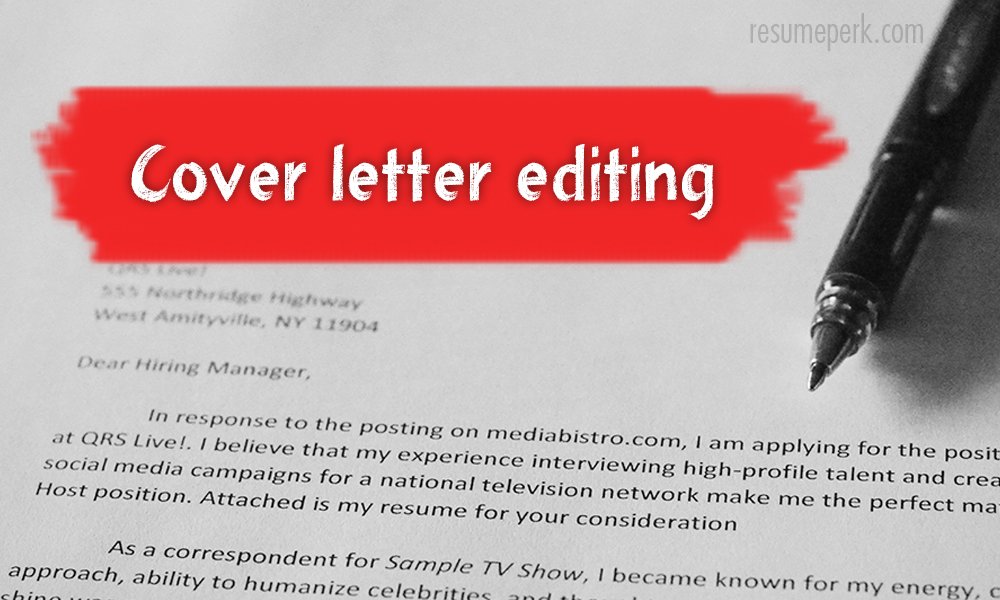
Understanding the Role of a Cover Letter
A cover letter complements your resume.
It explains your motivation.
Highlights cultural fit.
Provides context to achievements.
Cover letters personalize applications.
Importance of a Strong Cover Letter
Demonstrates communication skills.
Shows enthusiasm for the role.
Differentiates you from competitors.
Strengthens application impact.
Cover Letter Structure
Header with contact details.
Employer address.
Opening paragraph.
Body paragraphs.
Closing statement.
Professional sign off.
Structured letters enhance clarity.
Writing a Powerful Opening Paragraph
Mention the job role.
State how you found the opportunity.
Express enthusiasm.
Hook recruiter interest immediately.
Body Paragraph Content Strategy
Highlight relevant experience.
Connect skills to job requirements.
Showcase achievements.
Explain organizational value contribution.
Body content must be role focused.
Showcasing Cultural Fit
Research company values.
Align personal work style.
Demonstrate shared vision.
Cultural alignment attracts employers.
Writing a Strong Closing Paragraph
Reinforce interest.
Request interview opportunity.
Express gratitude.
End professionally.
Closings leave lasting impressions.
Cover Letter Formatting Tips
Keep length within one page.
Use professional tone.
Maintain consistent formatting.
Avoid excessive design elements.
Personalization in Cover Letters
Address hiring manager by name if possible.
Reference company initiatives.
Mention specific role motivations.
Personalization increases engagement.
Common Cover Letter Mistakes
Repeating resume content.
Generic templates.
Spelling errors.
Overly lengthy content.
Mistakes reduce effectiveness.
Resume & Cover Letter for Freshers
Focus on education and projects.
Highlight internships.
Show willingness to learn.
Freshers must emphasize potential.
Tips for Experienced Professionals
Highlight leadership achievements.
Show business impact.
Include measurable success metrics.
Experience must reflect value.
Career Switchers Resume Strategy
Emphasize transferable skills.
Highlight relevant certifications.
Showcase adaptable experiences.
Position yourself strategically.
Digital & Online Resume Portfolios
Create online portfolios.
Include project links.
Add multimedia samples.
Digital resumes enhance visibility.
Using Keywords Effectively
Study job descriptions.
Identify recurring skill terms.
Integrate naturally into resume.
Keywords improve ATS ranking.
Importance of Proofreading
Eliminate grammar mistakes.
Check formatting consistency.
Review contact details.
Proofreading ensures professionalism.
Getting Professional Resume Feedback
Seek mentor reviews.
Use career counseling services.
Incorporate constructive feedback.
External insights improve quality.
Resume Design vs Content Balance
Design should enhance readability.
Content must remain primary focus.
Avoid over designed layouts.
Balance ensures professionalism.
Updating Resume Regularly
Add new skills and achievements.
Update certifications.
Revise job responsibilities.
Regular updates maintain readiness.
Emailing Resume & Cover Letter
Use professional email IDs.
Write concise email messages.
Attach properly named documents.
Email etiquette matters.
Resume Branding & Personal Positioning
Develop a consistent professional narrative.
Align resume with career goals.
Position yourself as a specialist.
Branding strengthens impact.
Future Trends in Resume & Cover Letter Writing
Video resumes emerging.
AI resume screening rising.
Skill portfolios gaining importance.
Digital profiles replacing paper resumes.
Staying updated ensures competitiveness.
Conclusion
A well written resume and cover letter are more than job application documents — they are strategic marketing tools that present your professional identity, achievements, and potential. In a competitive hiring landscape, candidates who invest time in crafting targeted, achievement driven applications significantly increase their chances of securing interviews.
From optimizing resumes for ATS systems to personalizing cover letters for each role, every detail contributes to hiring success. Whether you are a fresher starting your career, an experienced professional seeking growth, or a career switcher entering a new industry, strong application documents create powerful first impressions.
Your resume tells employers what you have done, while your cover letter tells them who you are and why you matter. Master both, and you position yourself ahead of the competition in the journey toward career success.