
Introduction
Diversity, Equity, and Inclusion commonly known as DEI has become a cornerstone of modern organizational strategy. In today’s globalized and interconnected world, workplaces are more diverse than ever before. Employees come from different cultural backgrounds, genders, age groups, abilities, ethnicities, educational paths, and belief systems. Managing this diversity effectively is not just a moral responsibility but a business necessity.
Organizations that prioritize DEI create environments where employees feel valued, respected, and empowered to contribute their best work. Inclusive workplaces foster innovation, improve decision making, enhance employee satisfaction, and strengthen employer branding. Companies that fail to adopt DEI practices often struggle with disengagement, turnover, reputational risks, and limited creativity.
DEI is not a one time initiative or compliance requirement. It is a long term cultural commitment that requires leadership accountability, policy alignment, behavioral change, and continuous evaluation. This comprehensive guide explores the meaning of DEI, its importance, components, workplace strategies, leadership roles, challenges, measurement frameworks, and future trends shaping inclusive organizations.
Understanding Diversity
Diversity refers to the presence of differences within a workplace. These differences can be visible or invisible and include gender, race, ethnicity, age, disability, religion, sexual orientation, socioeconomic background, education, and professional experience.
Workplace diversity ensures representation of varied perspectives. When individuals from different backgrounds collaborate, they bring unique insights, ideas, and problem solving approaches. This diversity of thought enhances innovation and creativity.
However, diversity alone is not enough. Hiring diverse employees without creating an inclusive environment can lead to disengagement. Diversity must be supported by equity and inclusion to create meaningful impact.
Understanding Equity
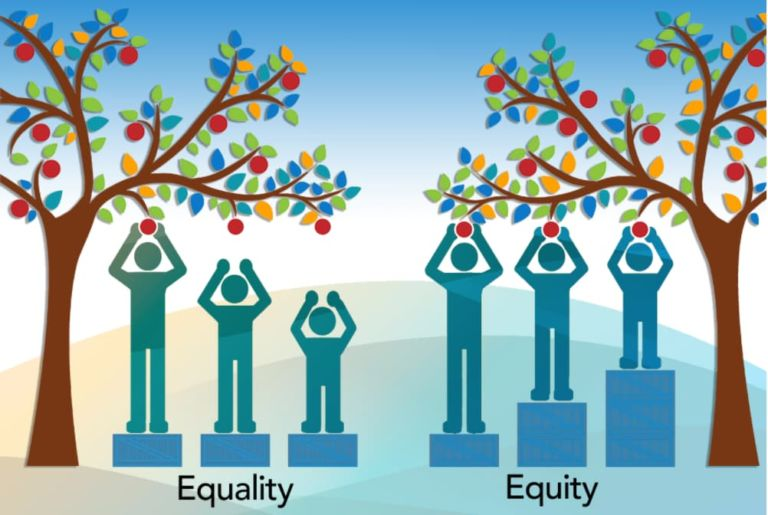
Equity focuses on fairness and justice in workplace processes and opportunities. While equality gives everyone the same resources, equity recognizes that individuals have different needs and may require different levels of support to succeed.
Equity addresses systemic barriers such as pay gaps, promotion biases, unequal access to training, and discriminatory practices. It ensures that all employees have fair access to career growth, compensation, leadership roles, and workplace benefits.
Equity driven organizations design policies that level the playing field, enabling individuals to perform based on talent rather than privilege.
Understanding Inclusion
Inclusion refers to creating an environment where all employees feel welcomed, respected, and empowered to participate fully. Inclusive workplaces encourage open dialogue, collaboration, and psychological safety.
Inclusion ensures that diverse voices are not just present but heard and valued. Employees feel comfortable sharing ideas, expressing concerns, and contributing authentically without fear of bias or exclusion.
Inclusion transforms diversity into organizational strength by fostering belonging and engagement.
Importance of DEI in the Workplace
DEI enhances innovation because diverse teams generate broader ideas. It improves decision making by incorporating multiple perspectives. It strengthens employee engagement by fostering belonging. It reduces turnover since inclusive workplaces improve satisfaction. It enhances employer branding, attracting top talent globally.
Organizations with strong DEI frameworks outperform competitors in profitability, creativity, and workforce stability.
Business Case for Diversity
Research consistently shows that diverse organizations achieve higher financial performance. Diverse leadership teams drive better governance, market understanding, and customer alignment.
Companies serving global customers benefit from culturally aware employees who understand varied consumer needs. Diversity improves product development, marketing strategies, and service delivery.
Psychological Safety & Inclusion
Psychological safety is the foundation of inclusion. Employees must feel safe to speak up without fear of embarrassment or retaliation.
When psychological safety exists, teams collaborate better, innovate faster, and resolve conflicts constructively. Leaders play a key role in creating this safe environment.
Types of Workplace Diversity
Demographic diversity includes gender, age, and ethnicity. Cognitive diversity involves thinking styles and problem solving approaches. Experiential diversity reflects varied career backgrounds. Cultural diversity represents beliefs and traditions.
Each type contributes uniquely to workplace innovation and performance.
Gender Diversity & Inclusion
Gender diversity ensures equal representation and opportunities for all genders. Organizations focus on equal pay, leadership access, maternity and paternity policies, and harassment prevention.
Gender inclusive workplaces benefit from balanced leadership perspectives and improved organizational culture.
Cultural & Ethnic Diversity
Cultural diversity brings global perspectives into the workplace. It enhances creativity, adaptability, and cross border collaboration.
Organizations operating internationally rely heavily on culturally diverse teams for market relevance.
Age Diversity
Modern workplaces include multiple generations from Gen Z to Baby Boomers. Age diversity promotes knowledge sharing, mentorship, and innovation.
Younger employees bring digital fluency while experienced professionals contribute strategic wisdom.
Disability Inclusion
Inclusive organizations provide accessible infrastructure, assistive technologies, and flexible policies to support employees with disabilities.
Disability inclusion strengthens organizational empathy, compliance, and talent access.
LGBTQ+ Inclusion
Inclusive workplaces support LGBTQ+ employees through non discrimination policies, partner benefits, inclusive language, and safe reporting systems.
Such inclusion improves psychological safety and brand reputation.
Building an Inclusive Culture
Inclusive culture begins with leadership commitment. Policies must reflect fairness, respect, and belonging. Open communication, cultural celebrations, and inclusive decision making reinforce this culture.
Inclusion must be embedded in daily workplace behavior, not limited to events or campaigns.
Leadership’s Role in DEI
Leaders set the tone for inclusion. Their hiring decisions, promotion choices, communication style, and behavioral modeling shape organizational culture.
Inclusive leaders practice empathy, fairness, transparency, and accountability. Leadership training is essential for driving DEI success.
Unconscious Bias in the Workplace
Unconscious biases are automatic assumptions individuals make about others. These biases affect hiring, promotions, performance reviews, and team dynamics.
Bias training helps employees recognize and mitigate these hidden prejudices.
Inclusive Hiring Practices
Inclusive hiring ensures fair job descriptions, diverse interview panels, skill based assessments, and bias free evaluations.
Blind recruitment techniques reduce discrimination in resume screening.
Pay Equity & Compensation Fairness
Pay equity ensures employees receive equal compensation for equal work regardless of gender or background.
Compensation audits help identify and correct pay disparities.
Career Growth & Promotion Equity
Organizations must ensure fair access to leadership programs, mentorship, and promotions. Transparent performance metrics support equitable advancement.
DEI Training & Awareness Programs
Training programs educate employees on bias, cultural sensitivity, inclusive communication, and workplace respect.
Continuous learning strengthens inclusive behaviors.
Employee Resource Groups (ERGs)
ERGs are voluntary employee led communities formed around shared identities or interests. Examples include women leadership groups, cultural networks, and LGBTQ+ alliances.
ERGs provide support, advocacy, and engagement opportunities.
Inclusive Communication Practices
Inclusive communication avoids discriminatory language, stereotypes, and exclusionary messaging.
Organizations encourage respectful dialogue and culturally sensitive interactions.
Workplace Policies Supporting DEI
Anti discrimination policies protect employees legally and ethically. Harassment prevention frameworks ensure safe reporting channels.
Flexible work policies support diverse needs.
Measuring DEI Effectiveness
Organizations measure diversity representation, pay equity, promotion rates, engagement scores, and retention data.
Employee surveys provide qualitative insights into inclusion experiences.
Challenges in Implementing DEI
Resistance to change, leadership gaps, unconscious bias, and lack of measurement frameworks hinder DEI adoption.
Tokenism without real inclusion also reduces credibility.
Overcoming DEI Barriers
Organizations must ensure leadership buy in, allocate budgets, provide training, and establish accountability metrics.
Sustained commitment drives long term cultural change.
Technology & DEI
AI driven analytics track diversity metrics. Inclusive HR software reduces bias in hiring and promotions.
Technology enhances transparency and reporting.
Remote Work & Inclusion
Remote work expands access to diverse talent globally. However, organizations must ensure remote employees feel equally included and recognized.
Virtual inclusion strategies are essential.
Legal Compliance & DEI
Labor laws mandate non discrimination, equal pay, and workplace safety. Compliance ensures ethical operations and protects organizations legally.
Global Perspectives on DEI
Multinational companies adapt DEI strategies based on regional cultural, legal, and social frameworks.
Global DEI alignment strengthens employer reputation.
Future of Diversity, Equity & Inclusion
Future workplaces will prioritize inclusive leadership, AI bias monitoring, pay transparency, and intersectional diversity.
Hybrid work and global hiring will further expand diversity landscapes.
Benefits of Strong DEI Frameworks
Higher innovation levels, improved employee engagement, stronger employer branding, better financial performance, and enhanced social responsibility define DEI success.
Building a Sustainable DEI Strategy
Organizations must align DEI with business goals, embed it into HR practices, measure outcomes, and continuously evolve initiatives.
Sustainability requires long term commitment, not short term campaigns.
Conclusion
Diversity, Equity, and Inclusion are no longer optional initiatives — they are strategic imperatives for modern organizations. Diverse representation brings varied perspectives, equity ensures fairness, and inclusion fosters belonging.
When employees feel respected and empowered, they contribute more effectively, collaborate openly, and remain loyal to their organizations. DEI driven workplaces unlock innovation, resilience, and long term performance advantages.
As the future of work becomes more global and interconnected, organizations that embrace DEI will lead industry transformation. Building inclusive cultures today ensures sustainable success tomorrow.