
Introduction
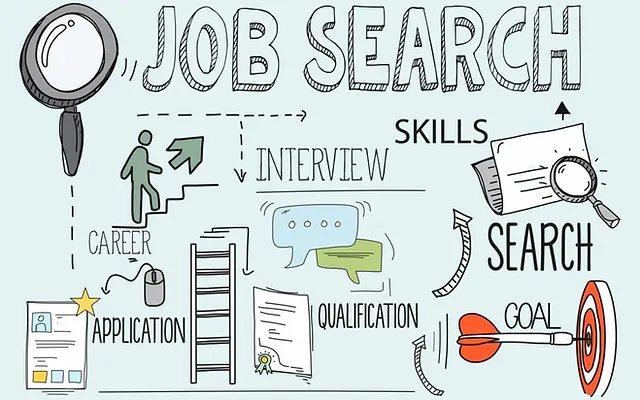
Job searching is one of the most important phases of career development. Whether you are a fresher entering the workforce, an experienced professional seeking growth, or someone planning a career transition, finding the right job requires strategy, preparation, and persistence.
In today’s competitive employment market, simply applying to multiple openings is not enough. Recruiters receive hundreds of applications for a single role, and only candidates who position themselves strategically get shortlisted. Successful job searching involves resume optimization, networking, skill alignment, interview preparation, and market awareness.
Technology has also transformed job searching. Online job portals, professional networking platforms, AI driven recruitment systems, and remote hiring processes have changed how employers discover talent.
This comprehensive guide explores effective job search tips, strategies, tools, mistakes to avoid, and future trends shaping employment opportunities.
Understanding the Job Search Process
The job search process involves identifying opportunities, preparing application materials, applying strategically, attending interviews, and negotiating offers.
It is not a one step activity but a structured process requiring planning and consistency.
Understanding each stage improves success rates.
Importance of Strategic Job Searching
Strategic job searching saves time and increases interview calls.
It aligns applications with career goals.
Focused searching improves offer quality and salary outcomes.
Random applications often result in rejection and frustration.
Planning enhances employment success.
Identifying Career Goals Before Job Search
Before applying, candidates must define career objectives.
Clarify preferred industries, roles, salary expectations, and locations.
Goal clarity helps target suitable opportunities.
It also improves resume customization.
Resume Optimization for Job Search
A well structured resume is critical.
Highlight relevant skills and achievements.
Customize resumes for each job description.
Use keywords to pass Applicant Tracking Systems.
Keep formatting professional and concise.
Resume optimization increases shortlist probability.
Writing Effective Cover Letters
Cover letters personalize applications.
They explain interest in the role and organization.
Highlighting relevant achievements strengthens candidacy.
Well written cover letters improve employer perception.
Building a Strong Online Presence
Employers review online profiles before hiring.
Maintain updated professional networking profiles.
Showcase certifications, projects, and achievements.
A strong digital presence enhances credibility.
Using Job Portals Effectively
Job portals provide thousands of opportunities.
Set job alerts for preferred roles.
Use filters for location, salary, and experience levels.
Apply early to improve visibility.
Regular portal monitoring increases chances.
Company Career Pages & Direct Applications
Many organizations post openings on official career pages.
Applying directly reduces competition from job portals.
Direct applications demonstrate genuine interest.
Networking for Job Opportunities
Networking unlocks hidden job markets.
Referrals significantly increase hiring chances.
Attend professional events and webinars.
Engage with industry professionals.
Relationship building supports long term career growth.
Recruitment Agencies & Headhunters
Recruitment consultants match candidates with employers.
They provide industry insights and interview guidance.
Partnering with agencies expands job access.
Social Media Job Searching
Social platforms now feature job postings.
Follow companies and industry leaders.
Engage with professional content.
Social networking increases opportunity awareness.
Job Search Strategies for Freshers
Fresh graduates should focus on internships and entry level roles.
Highlight academic projects and certifications.
Campus placements and alumni networks help secure first jobs.
Job Search Tips for Experienced Professionals
Experienced candidates should leverage industry networks.
Highlight leadership achievements and measurable results.
Executive recruiters often source mid senior talent.
Remote Job Search Strategies
Remote work has expanded global opportunities.
Search international job portals.
Highlight remote collaboration skills.
Prepare for virtual interviews.
Remote job searching requires digital readiness.
Freelance & Gig Job Opportunities
Freelancing platforms connect global clients with professionals.
Build portfolios to attract projects.
Freelancing supports flexible income streams.
Preparing for Interviews During Job Search
Interview readiness is crucial.
Research companies thoroughly.
Practice common interview questions.
Prepare achievement based responses.
Interview preparation converts applications into offers.
Salary Research & Negotiation
Research industry salary benchmarks.
Negotiate based on skills and experience.
Professional negotiation improves compensation outcomes.
Tracking Job Applications
Maintain records of applications submitted.
Track interview schedules and follow ups.
Organized tracking prevents missed opportunities.
Following Up After Applications
Follow up emails show enthusiasm.
They keep candidates visible to recruiters.
Professional persistence improves response rates.
Common Job Search Mistakes to Avoid
Applying without resume customization.
Ignoring networking opportunities.
Using unprofessional email addresses.
Failing to research employers.
Applying randomly without goals.
Avoiding mistakes improves success.
Managing Job Search Stress
Job searching can be emotionally challenging.
Maintain routines and positive mindset.
Take breaks and celebrate small wins.
Mental resilience supports long term persistence.
Upskilling During Job Search
Learning new skills increases employability.
Enroll in certifications aligned with industry demand.
Upskilling demonstrates proactive growth mindset.
Using AI & Technology in Job Search
AI tools optimize resumes and applications.
Automated alerts track opportunities.
Digital portfolios enhance employer evaluation.
Technology driven searching increases efficiency.
Future Trends in Job Searching
Skill based hiring is rising.
Remote recruitment will expand.
AI screening will dominate resume filtering.
Video interviews will remain standard.
Candidates must adapt to digital hiring ecosystems.
Building a Long Term Job Search Strategy
Maintain updated resumes.
Strengthen professional networks continuously.
Track industry hiring trends.
Invest in lifelong learning.
Strategic planning ensures sustained employability.
Conclusion
Job searching is both an art and a science. It requires preparation, persistence, adaptability, and strategic execution. From resume optimization and networking to interview readiness and salary negotiation, every step influences hiring success.
In a competitive job market, proactive candidates who leverage technology, build relationships, and continuously upskill stand out. Whether seeking entry level roles, leadership positions, or remote opportunities, structured job search strategies significantly improve outcomes.
Your job search journey shapes your career trajectory. Approach it with planning, confidence, and consistency to secure meaningful opportunities and long term professional growth.