Introduction
Workplace focus and efficiency are critical drivers of professional success in today’s fast paced, distraction filled work environments. As organizations demand higher productivity, faster delivery, and consistent performance, employees must develop the ability to concentrate deeply, manage responsibilities effectively, and deliver high quality output within limited timeframes.
Modern workplaces are filled with interruptions — emails, meetings, phone notifications, multitasking demands, and digital collaboration tools. While these technologies improve connectivity, they often reduce attention span and fragment focus. Employees who fail to manage distractions experience lower productivity, increased stress, and reduced job satisfaction.
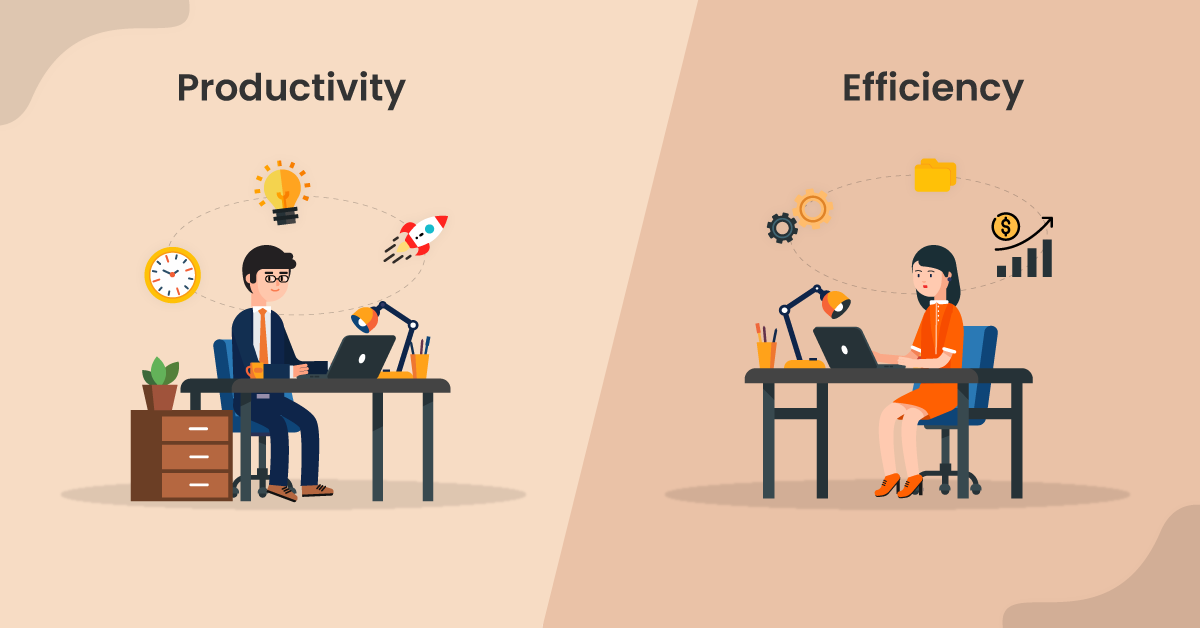
Workplace efficiency is not about working harder or longer hours. It is about optimizing workflows, improving concentration, leveraging productivity systems, and aligning energy with high value tasks. Professionals who master focus and efficiency stand out as reliable performers, future leaders, and high impact contributors.
This comprehensive guide explores workplace focus strategies, efficiency frameworks, productivity habits, distraction management techniques, and performance optimization methods that help professionals excel in modern work environments.
Understanding Workplace Focus
Workplace focus refers to the ability to concentrate on tasks without distraction.
It involves sustained attention, mental clarity, and task immersion.
Focused employees complete work faster and with higher accuracy.
Focus is a trainable cognitive skill.
Understanding Workplace Efficiency
Efficiency refers to completing tasks using minimal time and resources while maintaining quality.
It emphasizes smart work rather than hard work.
Efficient professionals streamline processes and eliminate waste.
Efficiency improves organizational productivity.
Importance of Focus & Efficiency at Work
Enhances productivity output.
Improves work quality.
Reduces errors and rework.
Strengthens professional reputation.
Supports career growth.
High focus leads to high performance.
The Science Behind Workplace Distractions
Human brains are not built for constant task switching.
Every interruption reduces cognitive momentum.
Refocusing takes time and mental energy.
Digital notifications are major focus disruptors.
Understanding distraction psychology helps build better habits.
Identifying Workplace Distractions
Email overload.
Instant messaging apps.
Social media usage.
Unplanned meetings.
Office noise.
Phone notifications.
Identifying distractions is the first step to controlling them.
Deep Work Concept
Deep work refers to distraction free, high concentration work sessions.
It supports complex problem solving.
It enhances creativity and innovation.
Deep work produces high value output.
Time Blocking for Workplace Efficiency
Schedule focused work hours.
Allocate blocks for meetings and emails.
Protect deep work time.
Structured scheduling enhances productivity.
Task Prioritization Methods
Identify high impact tasks first.
Use priority matrices.
Align work with deadlines.
Prioritization ensures strategic execution.
Single Tasking vs Multitasking
Multitasking reduces accuracy.
Task switching wastes time.
Single tasking enhances output quality.
Focus improves completion speed.
Optimizing Workspace Environment
Declutter desks.
Use ergonomic furniture.
Ensure proper lighting.
Minimize noise.
Physical environment influences mental focus.
Digital Workspace Organization
Organize files systematically.
Use cloud storage effectively.
Maintain clean desktops.
Digital order reduces search time.
Managing Email Efficiently
Check emails at scheduled intervals.
Avoid constant inbox monitoring.
Use filters and folders.
Email discipline saves time.
Meeting Productivity Techniques
Set clear agendas.
Limit meeting duration.
Invite only relevant participants.
Avoid unnecessary discussions.
Efficient meetings protect work hours.
Using Productivity Tools
Task management apps track progress.
Calendar systems schedule work.
Collaboration tools streamline communication.
Technology enhances workplace efficiency.
Energy Management at Work
Focus fluctuates throughout the day.
Schedule complex work during peak energy hours.
Handle routine tasks during low energy periods.
Energy alignment improves efficiency.
Building Focused Work Habits
Start tasks immediately.
Avoid procrastination triggers.
Maintain consistent routines.
Habits strengthen concentration capacity.
Break Optimization
Short breaks refresh the brain.
Prevent burnout and fatigue.
Improve sustained productivity.
Strategic rest supports performance.
The Pomodoro Technique at Work
Work in timed intervals.
Take short recovery breaks.
Maintain mental freshness.
Interval work boosts efficiency.
Managing Workplace Stress
High stress reduces focus.
Practice breathing techniques.
Take micro breaks.
Maintain workload balance.
Calm minds perform better.
Role of Goal Setting in Workplace Efficiency
Clear goals guide daily work.
They reduce confusion.
They align team efforts.
Goals improve execution speed.
Performance Tracking Systems
Monitor task completion rates.
Track deadlines.
Evaluate productivity metrics.
Measurement improves efficiency.
Collaboration & Team Efficiency
Clear communication reduces errors.
Defined roles prevent duplication.
Shared tools streamline coordination.
Team efficiency enhances organizational success.
Leadership’s Role in Workplace Focus
Leaders set productivity culture.
They reduce unnecessary meetings.
They provide clarity and direction.
Leadership shapes workplace efficiency.
Remote Work Focus Strategies
Create dedicated home offices.
Set work hour boundaries.
Minimize household distractions.
Remote focus requires discipline.
Hybrid Work Productivity
Balance office and remote schedules.
Maintain communication clarity.
Use collaboration tools effectively.
Hybrid models require structured planning.
Workplace Automation & Efficiency
Automate repetitive tasks.
Use workflow software.
Reduce manual processes.
Automation increases productivity.
Learning & Skill Development for Efficiency
Time management training.
Digital tool mastery.
Communication skill improvement.
Skill growth enhances efficiency.
Avoiding Burnout While Staying Efficient
Overworking reduces long term output.
Schedule rest days.
Maintain work life balance.
Sustainable productivity matters.
Workplace Focus for Career Growth
High performers gain recognition.
Efficiency leads to promotions.
Focused employees handle leadership roles.
Productivity accelerates career advancement.
Building a Personal Productivity System
Define work priorities.
Use planning frameworks.
Track performance weekly.
Refine systems continuously.
Personal systems ensure consistency.
Future of Workplace Productivity
AI powered productivity tools.
Automation driven workflows.
Flexible work environments.
Digital collaboration expansion.
Future workplaces will prioritize smart efficiency.
Conclusion
Workplace focus and efficiency are no longer optional skills — they are essential capabilities for thriving in modern professional environments. In an age of constant distractions, digital overload, and high performance expectations, the ability to concentrate deeply and execute efficiently separates average employees from exceptional performers.
By mastering focus techniques, optimizing work environments, managing energy, leveraging productivity tools, and building disciplined habits, professionals can dramatically improve output quality and career progression. Organizations also benefit from efficient employees through improved innovation, faster delivery, and stronger team collaboration.
Ultimately, workplace success is not determined by hours worked but by value delivered. When individuals learn to focus intensely, manage time strategically, and work efficiently, they unlock higher productivity, reduced stress, and long term professional growth.
Focus on what matters, work with intention, and efficiency will become your greatest competitive advantage in the workplace.